
Gluten-Free Diet: A Guide On Foods, Benefits, And Diet Plan
Mar 06, 2024 By Madison Evans
Having a healthy and delicious diet plan is crucial to follow nowadays. Most of the people always follow some diet plan for being fit and healthy. Among these diets, the gluten-free diet is one of the most popular diets in the world. It is mainly suggested for persons having celiac disease.
But many people think of it like other diets for weight loss. The primary purpose of this diet is not to lose weight but to heal the gut. We have explained the foods, benefits, and nutrients and provided a sample diet plan for beginners. Read on to learn more about this diet and its health effects.

What Is A Gluten-Free Diet?
A gluten-free diet is a meal plan that excludes foods and drinks containing gluten. It is also the only treatment for patients having Celiac disease. Gluten is a protein that you can also find in foods not having primarily gluten but as a binding or flavoring agent. So, it is recommended to check if the food you are eating is gluten-free or not.
Many people claim that they benefit from the gut by following a diet plan with gluten-free foods. Besides, it is most effective for celiac patients, and they should eat only after confirming there aren't any traces of gluten. There are also people who think gluten-free meals are those without carbs. There are many natural foods that are free from gluten but also contain carbs.
List Of Gluten-Free Foods And Snacks
To follow a gluten-free diet, you must know which food to eat and which to avoid. For this, we have mentioned a list of gluten-free foods and snacks as follows;
Gluten-Free Foods
If not properly scanned, gluten-free foods may contain traces of gluten. There is also a need to eat foods for proper nutrient intake. So, the following foods you can eat while on a gluten-free diet.
- Meat: It is a gluten-free food, but when you cook it, you may add spices or other things that contain gluten. So, make sure to use gluten-free products when cooking. However, completely avoid the breaded or floured meat.
- Fruits And Vegetables: These naturally occurring gluten-free foods will provide vitamins, minerals, and antioxidants.
- Nuts And Seeds: These are a great source of nutrients and fats. If they are raw or in a natural state, it is a completely gluten-free food.
- Whole Grains: To maintain a balanced diet, whole grain is important. These provide carbohydrates, fiber, antioxidants, and other nutrients your body needs. While shopping, you should avoid food containing even a trace of gluten.
- Sauces And Spices: There may be sauces and spices containing gluten traces but made with gluten-free products. To avoid such situations, you need to properly check whether the product is verified.
- Eggs: All eggs are naturally gluten-free and a good source of protein in a gluten-free diet.
- Oils: Naturally, all oils are gluten-free but may contain traces because of contamination during manufacturing. Make sure to purchase the verified products.
- Beverages: You'll find many gluten-free beverages, but you need to check the product and its ingredients before taking any sip. These include coffee, tea, juices, sodas etc.
What To Avoid
The first thing that you should avoid is baked food or bread. But there are many other foods that you should avoid, like all the wheat-based foods. However, the following are the foods other than bread that you should avoid;
- Cereals
- Baked Food
- Snacks
- Some sauces
- Flavored or alcoholic beverages
Gluten-Free Diet Benefits
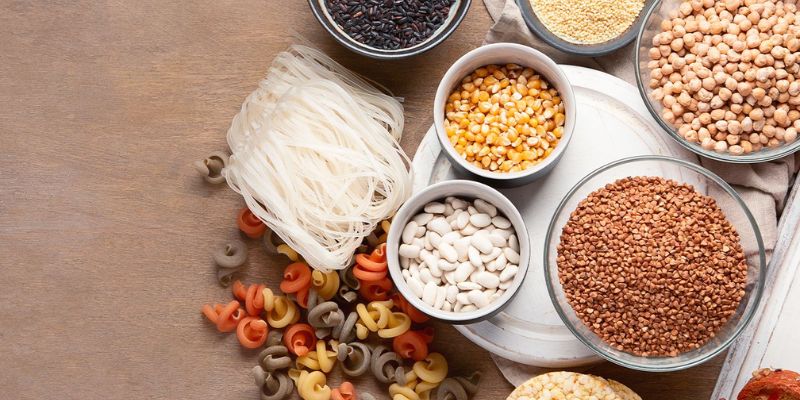
Starting any diet can be challenging, but you'll get the desired benefits and nutrients. A gluten-free diet also provides many health benefits whether you are a Celiac patient or not.
Improve Digestion
Besides celiac disease, many people follow this diet plan to treat various digestive issues like diarrhea, bloating, constipation, fatigue, gas, etc. Studies have shown that people with celiac disease feel at ease in their digestive system by following this diet.
Help In Weight Loss
Because you don't eat any processed food during a gluten-free diet plan, you may see an obvious weight loss with it. This is the reason why people without celiac disease consider it a weight loss diet plan. But in reality, it is not a weight loss diet but specially designed for celiac patients.
Boost Energy
People with celiac disease often feel tired because the gut can't absorb enough nutrients. This may also lead to other diseases like anemia because of iron deficiency. Normal people can follow this diet plan to boost their energy levels.
Reduce Symptoms Of Autism
It is a developmental disorder in which the person fails in communication and social interaction. Mostly, this disease occurs in 1-2 years of children. There are studies that show a reduction in the symptoms of following a gluten-free diet.
Reduce Inflammation
If a celiac disease person intakes gluten, it causes inflammation, and sometimes it becomes severe. By following a gluten-free diet, you can prevent these severe conditions.
Gluten-Free Diet Plan For Beginners
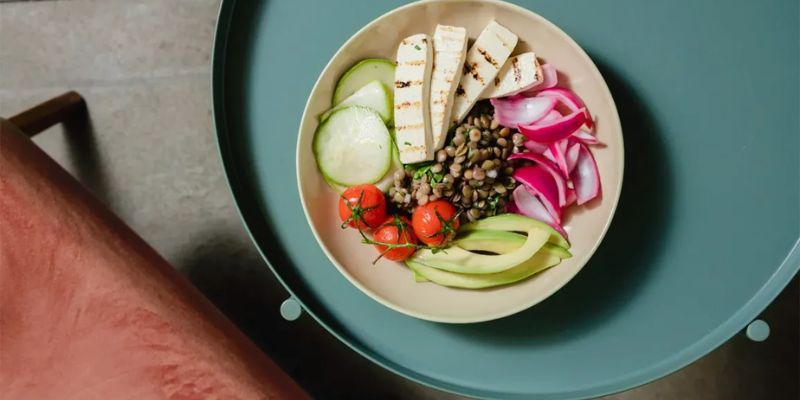
Your diet may lack essential nutrients if you eat gluten-free foods without planning. Because you exclude some foods, you must make a diet plan to fulfill all nutrient needs. Following is a sample plan to guide you as a beginner;
Monday
- Breakfast: oatmeal topped with blueberries and chia seeds
- Lunch: chicken, veggie soup
- Diner: zucchini lasagna
Tuesday
- Breakfast: omelet and strawberries
- Lunch: vegetable salad
- Dinner: Crispy tofu, mushrooms, and stir fry veggies
Wednesday
- Breakfast: Chia seed pudding with Greek yogurt and fruits
- Lunch: black beans, tuna, and rice
- Dinner: Chicken with broccoli stir fry
Thursday
- Breakfast: avocado toast with egg
- Lunch: fajita veggies, ped lentil pasta, and parmesan
- Dinner: meatballs with salad
Friday
- Breakfast: Banana berry smoothie
- Lunch: chicken with sweet potato
- Diner: chickpea and coconut curry with rice
Saturday
- Breakfast: bacon, eggs, and zucchini frittata
- Lunch: jacket potato with ground beef, tomatoes, and cheese
- Dinner:
Sunday
- Breakfast: mushroom, baked egg with spinach
- Lunch: Chicken salad
- Dinner: baked salmon with veggies
Conclusion
A gluten-free diet is an effective way to get nutrients by planning a meal for celiac patients. People without this disease also find it helpful without negative effects. But it is mainly designed only for the diseased persons. Also, if you want to follow a strict healthy diet plan as a normal person, plenty of other options are available.

Tips to Use a Foam Roller After a Workout and Health Benefits
Marvelous Menthol: Revealing Heroic Essence of Its Purifying Powers

Glycolic Acid and Retinol: Is It Safe To Use Them Together?
Get To Know What Causes HIV? Pay Attention To These Points

What Are The Signs and Symptoms of High Blood Pressure: An Overview

6 Safe Cardio Workouts for Bad Knees

Uncovering the Health Benefits of Onions: Nutrition and Wellness Guide