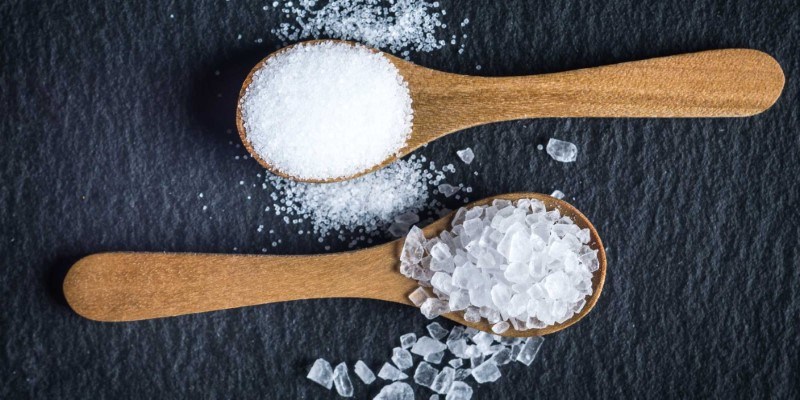
The Ultimate Guide to Treating Scalp Acne and Folliculitis
Mar 05, 2024 By Nancy Miller
Do you suffer from scalp breakouts or folliculitis? It can be frustrating to deal with these skin conditions, but you're not alone. In fact, many people struggle with scalp issues at some point in their lives. The good news is that there are ways to treat and manage these conditions. That's why we've put together the ultimate guide to treating scalp acne.
In this guide, we'll cover everything from the causes of these conditions to the best treatments and preventative measures. So, whether you're dealing with occasional breakouts or chronic folliculitis, this guide has got you covered. Let's learn how to keep your scalp healthy and happy!
What are Scalp Breakouts?
Scalp breakouts can be uncomfortable and even painful, causing itching and inflammation. They can happen to anyone, regardless of age or gender, and may lead to hair loss or scarring. But don't worry; treatments are available to help manage and prevent them. It's essential to consult a dermatologist or healthcare professional to determine the underlying cause of scalp breakouts and develop an appropriate treatment plan.
Moreover, in this article, we'll discuss how you can treat them yourself to save you from the trouble and prevent scalp breakouts from holding you back from feeling your best. Remember, a healthy scalp equals healthy hair!
What Causes Scalp Acne?
Scalp acne is a common skin condition that affects people of all ages. It is characterized by the appearance of pimples and bumps on the scalp, which can cause discomfort, itching, and even hair loss. While the exact cause of scalp acne is unknown, several factors can contribute to its respective development. So, let's discuss the most common and frequent causes of scalp acne:
Hormones
One of the primary causes of scalp acne is hormonal imbalances. Hormones play a significant role in the development of acne as they stimulate the sebaceous glands to produce excessive oil. This excess oil clogs the hair follicles, forming pimples and bumps on the scalp. Hormonal changes during puberty, pregnancy, and menopause can trigger scalp acne. Moreover, people who suffer from polycystic ovary syndrome (PCOS) or other hormonal disorders are more prone to scalp acne.
Poor Hygiene
Poor hygiene is another leading cause of scalp acne. When you don't wash your hair regularly or clean your scalp thoroughly, dirt, oil, and dead skin cells can accumulate, clogging the hair follicles and causing acne. Wearing tight hats or headgear for extended periods can also trap sweat and dirt on your scalp, leading to acne.
Diet
What you eat can also contribute to the development of scalp acne. Consuming a diet high in sugar, dairy, and processed foods can cause an inflammatory response in the body, leading to acne. Additionally, deficiency in specific vitamins and minerals like zinc, vitamin-D, and omega-3 fatty acids can also trigger scalp acne.
Stress
Stress is a common trigger for many skin conditions, including scalp acne. When you are stressed, your body produces more cortisol, which can stimulate the sebaceous glands to produce more oil, leading to acne. Stress can also weaken the immune system, making you highly prone to infections that can cause acne.
Genetics
Lastly, we have genetics. It can play a role in the development of scalp acne. If your parents or siblings have a history of acne, you are more likely to develop it as well. Some people have a genetic predisposition to producing more oil, which can lead to the formation of acne.
How to Treat Scalp acne?
Scalp acne, those unwelcome pimples on your head, can be frustrating and embarrassing. But fear not, we got you! Here's your arsenal to combat and conquer those pesky bumps:

Cleanse like a Champion
Taking care of your scalp is crucial for maintaining healthy hair. First and foremost, washing your hair regularly is key. It might seem obvious, but many people overlook this essential step. Washing your hair 2-3 times a week with a gentle, sulfate-free shampoo can help remove dirt and product buildup that can clog up your pores and lead to breakouts.
In addition to washing, gentle exfoliation can help keep your scalp in good condition. Dead skin cells can build up on your scalp, clogging pores and contributing to dandruff and breakouts. A scalp scrub once or twice a week can help remove this buildup without irritating your scalp.
Use the Right Ingredients!
Here are top three ingredients that you should opt for to make your hair acne disappear:
- Salicylic Acid: This superhero gently exfoliates, unclogging pores and reducing inflammation. Look for shampoos or leave-on treatments containing 2% salicylic acid.
- Tea Tree Oil: You can use tree oil as an antibacterial and anti-inflammatory agent, making it a potential ally in your fight against scalp acne. Dilute it with a carrier oil like jojoba before applying topically.
- Zinc Pyrithione: This ingredient combats fungus and inflammation, often found in anti-dandruff shampoos, and can also be beneficial for scalp acne.
Lifestyle Alternations for Lasting Change
Maintaining good hygiene is crucial for your overall health, and that includes taking care of your scalp. After engaging in physical activities that make you sweat, it's essential to wash your hair to avoid clogged pores. Additionally, you might want to keep an eye on your diet, as some studies suggest that consuming too much dairy or sugar could lead to acne.
Also, it is best to monitor your diet closely to determine if any changes can help improve your skin. Even work stress can exacerbate skin issues, including scalp acne. That's why incorporating relaxation techniques like meditation or yoga into your respective routine can help you manage stress levels and keep your scalp happy.

Wrapping it Up!
Are you tired of dealing with embarrassing scalp acne and folliculitis? The good news is that you don't have to suffer in silence. By following the tips outlined in this ultimate guide, you can take control of your scalp health and achieve clear, healthy hair. Don't let scalp issues hold you back any longer. Take action today and say goodbye to scalp acne and folliculitis for good. Your scalp (and hair) will thank you for it!

Uncovering the Health Benefits of Onions: Nutrition and Wellness Guide
Understanding the Worst Places to Keep Your Skincare Products

Migraine Relief Through Yoga: What You Need to Know

Exploring the Mechanisms of Magnesium Citrate and its Effects on Body
Exploring Bee Propolis Benefits, Uses, Dosage, and Side Effects
What Are The Signs and Symptoms of High Blood Pressure: An Overview

Understanding the Nutritional Power of Mangoes